For ten seasons, she was more than a reporter. She was a constant. Game after game, rebuild after rebuild, she stood in the same places—press row, tunnel entrances, practice courts—documenting not just scores, but stories. She knew when to ask the hard questions and when to let a moment breathe. Players trusted her because she treated them as people first. Fans trusted her because she told the truth with care.
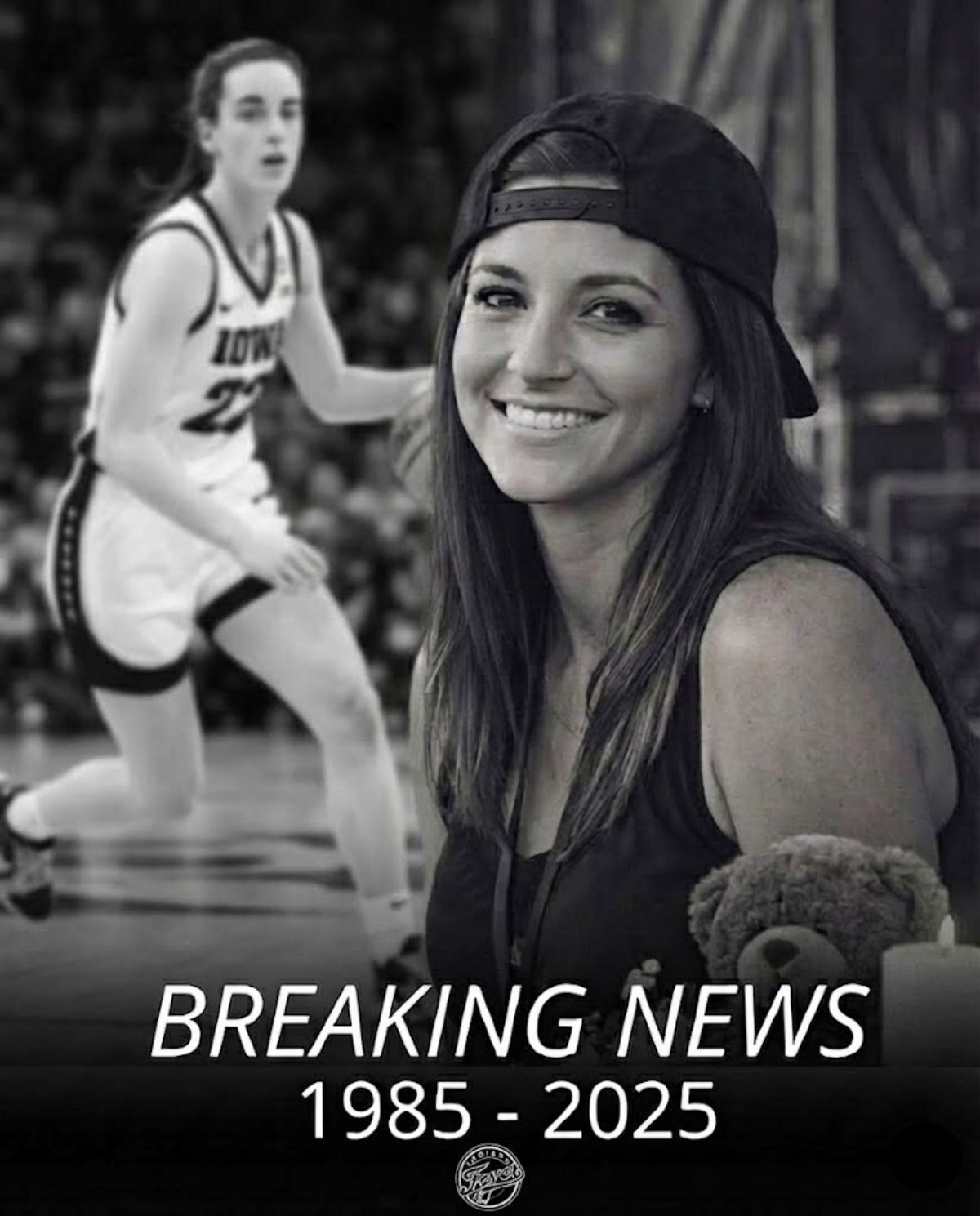
Her passing lands with particular force at this moment in Fever history—during a season of transformation and national attention fueled by the arrival of Caitlin Clark. As arenas filled, cameras multiplied, and pressure intensified, she became a steadying presence amid the noise. While headlines chased hype, she focused on context. While debates flared, she returned to fundamentals: preparation, growth, resilience.
Those close to the team say she took special care in how she covered Clark’s transition to the professional game. She understood the weight of expectations and the scrutiny that comes with generational talent. In interviews, she asked questions that centered process over spectacle—about film study, chemistry, leadership, and the grind of a WNBA schedule. She saw the moment not as a frenzy, but as a responsibility.
When news of her death spread, shock rippled through the Fever locker room. Players who had spoken with her just days earlier struggled to reconcile the loss. Coaches paused practices. Staff members gathered quietly. There were tears—unfiltered, human, and shared. This wasn’t just a professional loss; it was personal.
The circumstances surrounding her passing have added a devastating layer to the grief. Domestic violence—often hidden, often misunderstood—has once again taken a life, leaving a child without a parent and a community searching for answers. Advocates across women’s sports emphasized that this tragedy is a reminder: visibility does not equal safety, success does not guarantee protection, and silence can be deadly.
Fans responded immediately. Candlelight vigils appeared outside the arena. Notes were taped near press entrances. Social feeds filled with excerpts from her reporting—lines that captured the heart of the team during difficult seasons, paragraphs that reflected belief when wins were scarce. Many messages centered on the child she leaves behind. “We’ll carry her name,” one fan wrote. “And we’ll protect what she loved.”
Clark, visibly shaken after learning the news, addressed it briefly—choosing words carefully, voice steady but heavy. She spoke of gratitude for thoughtful coverage and for the people who make the league human. Teammates later said her message resonated because it wasn’t performative. It was sincere. It acknowledged that the growth of women’s basketball depends not only on stars, but on the storytellers who honor the game.
Inside the Fever organization, leadership emphasized support and space. Schedules were adjusted. Counseling resources were shared. The message was clear: people come first. In a league built on community and care, that principle mattered more than ever.
Her decade of work chronicled some of the most challenging chapters in franchise history—and now, one of the most hopeful. She believed in the long view. She believed that patience could coexist with ambition, and that progress deserved to be documented with honesty. As the Fever stepped onto a brighter stage this season, she helped ensure the story remained grounded.
The tragedy has also sparked renewed calls within sports media to strengthen protections and resources. Long hours, public scrutiny, and constant travel can isolate even the most capable professionals. Newsrooms and teams alike are being urged to expand access to help, to listen sooner, and to act decisively when warning signs appear. Grief, many say, must become momentum.
As the Fever prepare to play again, there will be a moment—quiet, intentional—where the game pauses. Where the crowd stands. Where the absence is felt. That silence will carry meaning: remembrance for a life of dedication, and resolve to protect others.
She will be remembered for her integrity, her curiosity, and her compassion. For the trust she built. For the careers she influenced. For the way she covered the game—especially in moments when women’s basketball needed steady voices most.
And as Caitlin Clark and the Fever continue forward—under brighter lights and heavier expectations—the community will carry her legacy with them. In every thoughtful question. In every story told with care. In every effort to ensure that no one else is lost in silence.
This is more than a headline. It is a call—to look closer, to listen harder, and to choose protection over indifference. Chiefs of the moment will fade; what endures are the people who gave their best to the game. She was one of them. And she will not be forgotten.