Football has long been America’s game—a space where fans can escape politics, stress, and the chaos of daily life. But sometimes, the lines blur. And right now, they’ve blurred in Seattle.
Sam Darnold, quarterback for the Seattle Seahawks, just stepped into a controversy that no one saw coming. His recent comments supporting aspects of the “No Kings Day” protests have set off a firestorm among fans, media, and even players across the league.
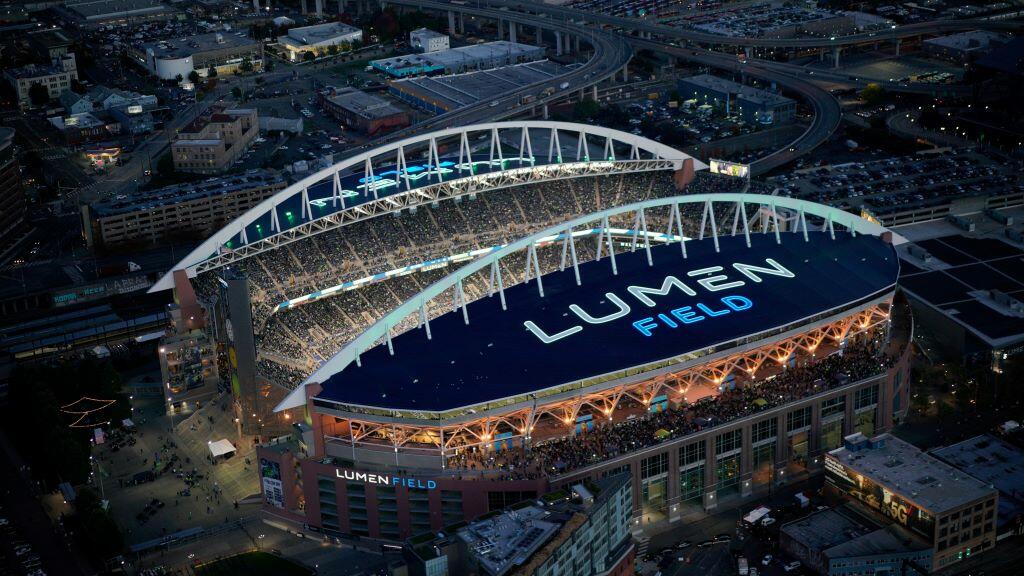
“Football is about more than X’s and O’s,” Darnold said during a post-practice interview at Lumen Field. “It’s about community, accountability, and making sure everyone feels safe—not just on the field, but in the stands.”
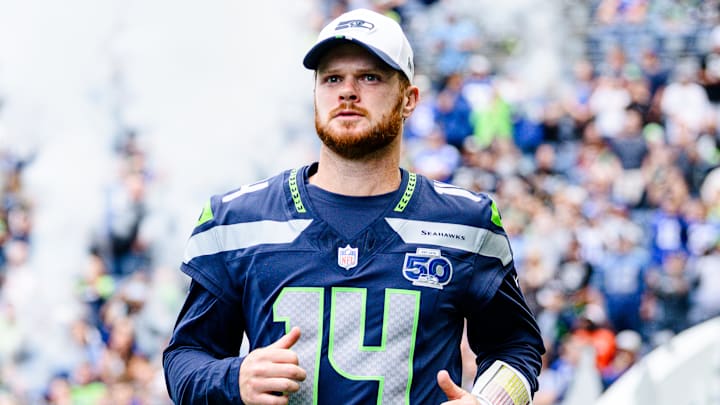
What he didn’t say explicitly—but what fans are now debating—is that supporters of former President Donald Trump could face restrictions when attending games. That speculation alone has triggered heated debates online, leaving the NFL and the Seahawks’ front office scrambling for clarity.
The “No Kings Day” Movement Meets the NFL
For those unfamiliar, “No Kings Day” is a loosely organized movement that’s been gaining traction nationwide. Its goal: to challenge concentrated power, whether in politics, corporations, or institutions. For the NFL, the movement is new territory—but now, it’s front and center thanks to Darnold’s remarks.
During his interview, Darnold tied his support for the movement to the idea of accountability in sports leadership. “We can’t just focus on touchdowns and ticket sales,” he said. “We have a responsibility to make sure everyone in our stadiums feels included and safe.”
But the comments quickly spiraled into controversy, with some interpreting them as a potential political litmus test for attending Seahawks games.
Fans React—And React Loudly
Social media erupted almost immediately. Tweets, Instagram posts, and TikTok clips flew fast and furious.
“Stick to football, Sam,” one fan wrote. “I don’t care what your political views are—I just want to watch the game.”
Others applauded his stance. “Finally, a player speaking up about something bigger than the game,” a Seahawks supporter tweeted. “It’s about time the league addressed accountability.”
Inside Seattle, ticket office staff report receiving dozens of calls from season ticket holders, asking for clarification. “People are confused, scared, and excited all at the same time,” said one employee, who requested anonymity. “No one wants to be banned or treated differently at Lumen Field, but everyone wants answers.”

Inside the Locker Room
Players are treading carefully. Sources say some are supportive, others cautious, and a few quietly skeptical.
One veteran player explained, “Sam’s heart is in the right place. He wants fans to feel safe. But mixing politics and football—especially at this level—is tricky. Emotions run high.”
A younger teammate added, “It’s a fine line. We’re trying to focus on football first, but these conversations are unavoidable. People have strong opinions, and they’ll say them whether you like it or not.”
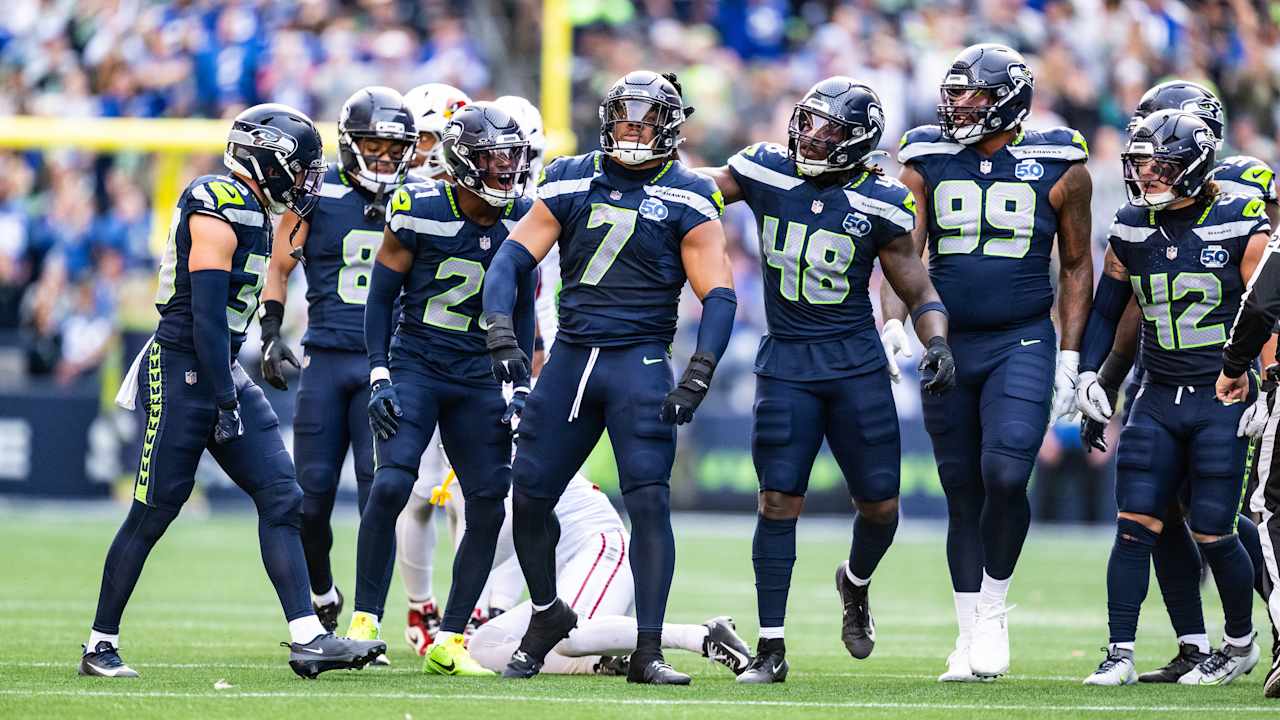
So far, no player has publicly challenged Darnold, but behind closed doors, the topic is generating plenty of debate.
The Seahawks’ Front Office Speaks
The Seahawks’ management has issued a limited statement, emphasizing that no formal restrictions have been enacted. “Our priority remains providing a safe, inclusive environment for all fans,” a spokesperson said. “We encourage respectful dialogue but do not condone discrimination or exclusion based on political beliefs.”

Yet, the ambiguity hasn’t calmed the conversation. Analysts point out that when leadership—or even players—hint at policy tied to political identity, rumors and speculation can grow uncontrollably.
NFL Context: A History of Controversy
The league has faced politically charged moments before, from national anthem protests to player activism on social issues. But a player discussing fan behavior linked to political affiliation is largely unprecedented.
“Players have a platform, and sometimes they use it,” said a sports media analyst. “But this is different because it impacts fans directly. It’s no longer just about raising awareness—it’s about attendance, ticketing, and the fan experience.”
Some executives worry the Darnold situation could set a precedent. “If players start linking game attendance to political beliefs, that opens a whole new set of issues for the league,” one source said.
Political Backlash and Support
Reaction hasn’t been limited to social media. Local politicians and pundits are weighing in. Some conservative voices have criticized Darnold’s stance as overreach. One Seattle commentator said, “Football is supposed to unite, not divide. This is a dangerous precedent.”
Meanwhile, some progressive voices are praising the quarterback. “It’s brave for a player to speak up,” said a columnist for a Seattle-based publication. “It challenges the idea that sports are apolitical, even if that discomforts some fans.”
The tension highlights a cultural crossroads in professional sports: how much space should players have to influence the social or political environment around their game?
What Comes Next?
Several questions remain unanswered:
- Will the Seahawks clarify fan policies at Lumen Field?
- Will the NFL issue guidelines for player statements that affect fans?
- How will this impact Darnold’s public image and marketability?
League insiders say the situation is being monitored closely. “This is a live experiment in player influence and fan reaction,” one source explained. “The next few weeks will be telling.”
Meanwhile, “No Kings Day” organizers have seized on the attention. In a brief online statement, one leader wrote: “When influential voices support the conversation, awareness grows. That’s how change begins.”
A Turning Point in Sports and Society
The Darnold controversy underscores a broader question: what role should professional athletes play in societal issues? Fans, teams, and league officials are all wrestling with it.
“Players have always been more than athletes,” said a former NFL star. “But rarely do their actions directly affect fan access or engagement. Sam has changed that conversation overnight.”
For Darnold, the moment seems less about politics and more about principle. “I’m not here to tell anyone how to vote,” he said. “I’m here to say we should all think critically about power and responsibility—on and off the field.”
A Fan Base Divided
The fallout will likely continue long after the next game. Season ticket holders are split, online debates rage, and national media coverage ensures the story isn’t going away.
Some fans, inspired by Darnold’s transparency, are taking part in local “No Kings Day” events. Others are threatening to skip games in protest. “It’s messy,” a longtime Seahawks fan admitted. “But maybe this mess is what the league needs—a conversation about accountability and values.”
The Bottom Line
Sam Darnold’s comments may have started as an opinion—but they’ve evolved into something much bigger: a nationwide debate at the intersection of sports, politics, and fan engagement.
The Seahawks, the NFL, and the fans now face a new reality. Football may have always been a game, but for some players and fans, it’s also a platform, a statement, and now, perhaps, a test of boundaries.
Whether this sparks lasting change—or just another week of hot takes—remains to be seen. But one thing is clear: at Lumen Field, and across the league, the conversation has just begun.