For countless families across Pennsylvania and New Jersey, watching their favorite professional football team has always been an experience enjoyed through screens, radio broadcasts, or highlight reels. The dream of stepping inside the stadium—feeling the atmosphere, hearing the crowd erupt, and seeing the players in real time—has remained financially out of reach. But this week, something extraordinary happened that has sent excitement rippling across the region.
In a sports world often criticized for prioritizing commercial interests over community connection, a bold new initiative has emerged. The moment the announcement was made, social media lit up, local communities buzzed with energy, and thousands began planning for a day they never thought they would experience.
What unfolded represents more than a ticket promotion—it represents a cultural shift, a moment of inclusivity, and a powerful reminder that professional sports can still serve the people who love them most.

Opening the Stadium Doors to Families Who Thought They’d Never Walk In
For many parents in Philadelphia, the idea of bringing their children to a live professional game has felt impossible. Ticket prices continue to rise, stadium parking costs have ballooned, and the expenses of concessions and transportation often overwhelm even middle-income households. For low-income families, the possibility has been nearly unimaginable.
The new initiative has changed everything.
Children who have memorized player names, proudly wear jerseys, and stay up late watching games on TV will now have a chance to witness the electric energy of a real crowd. Parents will share a once-in-a-lifetime moment—one that costs less than a fast-food meal.
The joy this announcement sparked was immediate and overwhelming. Families across the region expressed disbelief and gratitude. Many said they had dreamed for years of taking their children to the stadium but could never afford it. This new opportunity gives them access not only to entertainment but to memories that will last decades.
Why Supporters Are Calling It a Turning Point for the Franchise
Fans have always been known for their fierce loyalty. Generations pass down their passion for the sport, creating one of the most dedicated and emotional fanbases in the league. But over the years, many supporters have quietly expressed frustration at how financially out of reach the live experience has become.
The new program has changed that dynamic entirely.
Supporters say this move proves that the franchise still understands the importance of real community. It isn’t just about winning games—it’s about strengthening the relationship between the team and the people who have cheered them on through the highs and lows of every season.
Even longtime season ticket holders praised the decision. Many said they were thrilled to see the stadium open its doors to families who have never had the means to attend a game. Some even volunteered to donate concessions, parking passes, or team merchandise to families participating in the event.
This unprecedented generosity has re-energized the entire fan community.
The Emotional Response From Families Across the Region
As soon as the news spread, social platforms filled with heartfelt reactions. Parents posted stories about children crying tears of joy, jumping around kitchen tables, and celebrating like they had already won a championship. Teachers from low-income schools wrote about their students’ excitement. Community organizations shared posts about field trips they could finally plan.
Some of the most moving testimonies came from families facing hardship—those dealing with job insecurity, illness, or financial strain. For them, the event represents more than a day out. It’s a moment of happiness during difficult times, a chance to forget worries and focus on shared joy.
Several families said they had spent years hearing their children ask, “Will we ever go to a game?”
Now, for the first time, parents can finally say yes.
A New Standard for Accessibility in Professional Sports
Sports analysts across the country have been quick to point out how unique this moment is. While charitable efforts within professional leagues are common—fundraisers, holiday giveaways, youth programs—very few initiatives provide such direct, practical access to families who would otherwise be excluded.
The simplicity of the event is part of what makes it revolutionary.
There are no complicated applications.
No limited-capacity lottery.
No long waiting list.
It is open access, designed to uplift, inspire, and welcome thousands at once.
Journalists have already begun speculating about whether this program will inspire similar actions across the league. Some franchise executives have privately expressed admiration for the initiative, calling it “bold,” “refreshing,” and “a reminder of what sports should be.”
This act signals that accessibility can—and should—be a priority every team considers seriously.
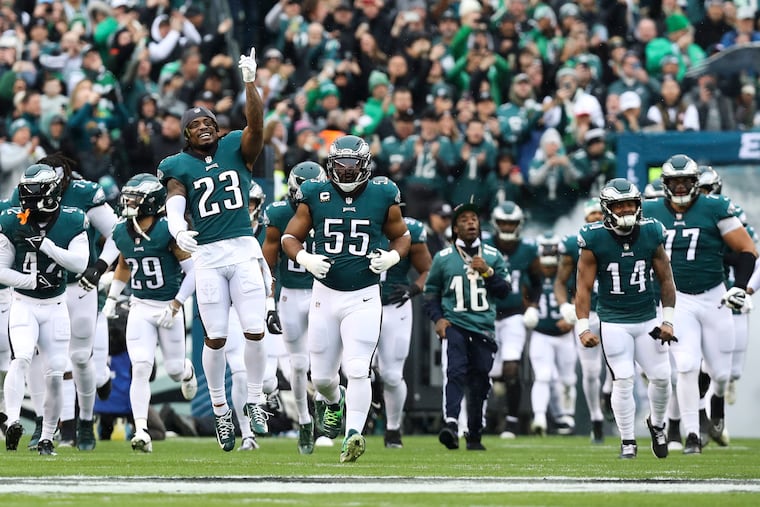
Strengthening the Bond Between the Franchise and the City
In Philadelphia, football has always been more than a game. It has been a source of identity, resilience, and unity. The team’s relationship with the city is unlike any other—intense, passionate, emotional, and deeply rooted in history.
This initiative has strengthened that relationship even further.
By making stadium access achievable for families who have supported the team from afar for decades, the franchise has demonstrated genuine respect for its community. It has shown that leadership is not only about guiding players on the field but also about understanding the needs and dreams of the people who fill the city around it.
This gesture sends a clear message:
Everyone deserves to experience the magic of live football, regardless of economic status.
Economic Benefits for Local Communities
While the emotional and cultural impact is profound, the event also brings measurable benefits to the city. Local businesses surrounding the stadium—restaurants, bakeries, transportation companies, and small shops—will experience increased activity on the event day.
Vendors inside the stadium will benefit as well, many of whom rely on game-day work to support their families. With thousands of new attendees, sales of snacks, drinks, and team merchandise are expected to surge.
This initiative supports not only fans but also workers and local entrepreneurs, creating a ripple effect that touches the entire region.
Generosity doesn’t just inspire—it stimulates economic growth.
A Vision for What Football Should Represent
This moment serves as a powerful reminder of the purpose sports can serve in society. Beyond competition, championships, and business deals, sports have always been a way to bring people together. They build community pride, strengthen relationships, and provide hope during difficult times.
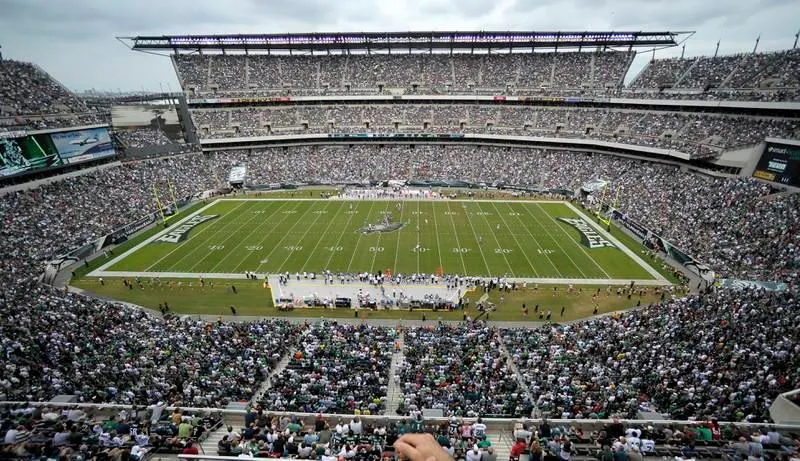
The new initiative demonstrates what the future of sports could look like:
inclusive, accessible, and human-centered.
In recent years, many Americans have expressed frustration over rising entertainment costs. This program challenges that trend, showing that professional sports organizations can choose to prioritize inclusion over exclusivity.
The event represents a philosophy rooted in connection—not profit. It honors the idea that everyone deserves to feel the energy of a live game at least once in their lifetime.
A Moment That Will Be Remembered for Generations
Years from now, people will still talk about the families who walked into the stadium for the first time. They will recall the smiling children, the overwhelmed parents, the unmatched excitement of experiencing a live game together.
These stories will be passed down through generations, becoming part of the cultural fabric of Philadelphia. Many of today’s young first-time attendees may become tomorrow’s lifelong supporters. Some may even be inspired to play football themselves.
This initiative has created memories that will last forever.
But more importantly, it has reminded the world that kindness at scale is still possible—that leadership can be compassionate, visionary, and deeply connected to the people it serves.
The event represents one of the most meaningful gestures in the franchise’s modern history. It has changed lives, strengthened the community, and set a new benchmark for what professional sports organizations can achieve when they put people first.