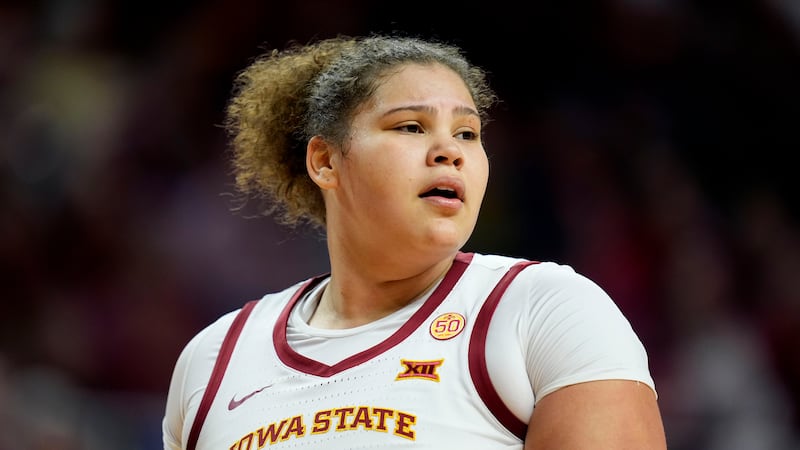
Ejected for the Anthem: The Little-Known NCAA Rule That Just Changed the Game
The arena was buzzing long before tipoff. Rival colors filled the stands, cameras rolled, and the familiar hush settled in as the national anthem began. Then, in a moment so abrupt it left fans blinking in disbelief, officials stopped everything. Two players were summoned, brief words were exchanged, and within seconds they were escorted off the court. No foul. No fight. No taunting. Just a quiet, controversial enforcement of a rule most people in the building had never heard of.
By the end of the night, the score felt secondary. What everyone wanted to know was simple: how could players be ejected from a NCAA game over something connected to the national anthem?
The Moment That Froze the Arena
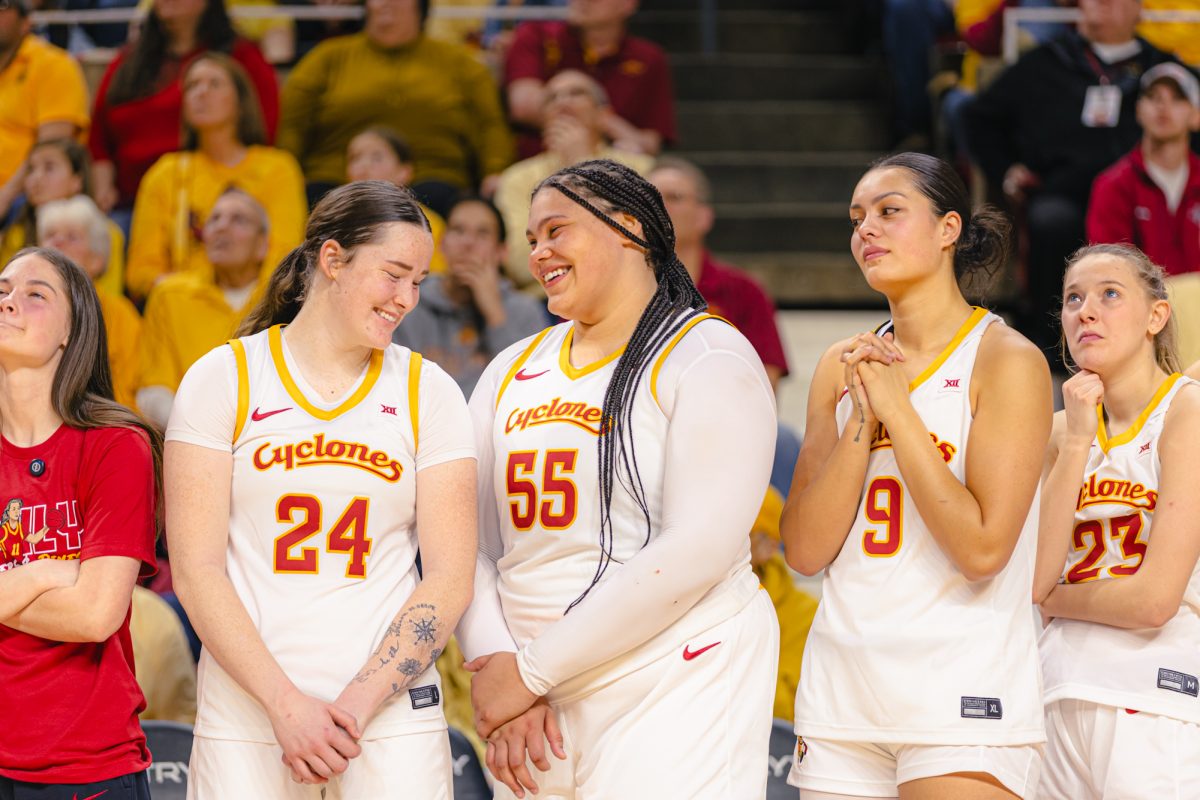
Witnesses describe the scene as surreal. As the anthem played, television cameras panned across players lined shoulder to shoulder. Some fans noticed subtle gestures: a slight turn of the body, a whispered comment, a posture that appeared out of sync with the rest of the lineup. To many in attendance, nothing seemed overtly disruptive. The anthem ended. Applause followed.
Then the whistles came.
Officials huddled, security approached the bench, and two starters were removed from the game before it ever truly began. Confusion rippled through the crowd. Boos mixed with stunned silence. Even seasoned commentators struggled to explain what they were seeing in real time.
Within minutes, social media exploded. Clips were replayed frame by frame. Armchair analysts debated intent. Fans demanded answers. And buried beneath the outrage was the name of a policy few had paid attention to until that very moment.
The Rule Few Fans Knew Existed
The NCAA has long maintained guidelines about sportsmanship and pregame conduct, but this season quietly introduced a clarified enforcement standard tied specifically to the national anthem and other ceremonial moments. The rule emphasizes that all players must demonstrate “respectful, non-disruptive conduct” during official pregame observances, including standing in designated areas, refraining from gestures deemed demonstrative, and avoiding actions that could be interpreted as drawing attention away from the ceremony.
What changed was not necessarily the wording, but the enforcement.
Under the updated interpretation, officials are given broader discretion to act immediately if they believe a player’s conduct during the anthem violates these expectations. Crucially, the rule allows for penalties up to and including ejection if the behavior is judged to be intentional or defiant, rather than accidental or momentary.
For years, such guidelines were treated as symbolic, rarely enforced beyond quiet warnings. This time, the officials chose the harshest possible response.
Why Enforce It Now?
According to those familiar with NCAA operations, the decision to crack down did not happen in a vacuum. League administrators have faced growing pressure from multiple sides: calls for consistency, concerns from broadcast partners about pregame disruptions, and internal debates about maintaining what they describe as a “neutral competitive environment.”
In recent seasons, pregame ceremonies across sports have become flashpoints for broader cultural conversations. The NCAA, traditionally cautious and institution-focused, appears determined to draw a bright line between athletic competition and individual expression during official ceremonies.
By enforcing the rule decisively and publicly, the league may be sending a message—not just to players, but to coaches, schools, and fans—that ambiguity is over. Whether that message lands as clarity or control depends entirely on who you ask.
Players, Coaches, and the Immediate Fallout
Inside the locker room, the impact was immediate and brutal. Losing two players before tipoff forced the affected team into emergency rotations, altered game plans, and shifted momentum instantly. Coaches later admitted they were blindsided.
“We didn’t even know this could happen,” one assistant said privately. “There was no warning, no conversation. Just gone.”
Players across the league took notice. Group chats lit up. Team meetings were called. Compliance officers suddenly found themselves fielding questions they hadn’t anticipated a week earlier. What exactly counts as a violation? Where is the line between personal expression and punishable conduct? And how much discretion do officials really have?
A Fan Base Divided
Reactions from fans were swift and deeply divided. Some applauded the enforcement, arguing that official ceremonies should remain uniform and free from controversy. To them, the anthem is about collective respect, not individual statements.
Others saw something far more troubling. They questioned the fairness of ejecting players without warning and worried about selective enforcement. Many asked why such a severe penalty was imposed now, in a high-profile game, rather than introduced gradually or clarified publicly beforehand.
The debate spilled far beyond basketball circles. Commentators from across the sports world weighed in, calling the moment a turning point for how collegiate athletics handles expression, authority, and discipline.
How This Could Change the League
The long-term consequences may be significant. Coaches are already advising players to treat pregame ceremonies with extreme caution, emphasizing stillness and uniformity over anything that could be misconstrued. Some schools are reportedly revising their internal guidelines, instructing athletes on exactly where to stand, where to look, and how to hold their posture during the anthem.
Critics argue that this atmosphere of hyper-vigilance risks draining the humanity from college sports. Supporters counter that clear standards prevent chaos and protect the integrity of the game.
What is undeniable is that the precedent has been set. Officials now know they have the authority to act, and players know the cost of misjudgment can be immediate and irreversible.
A Defining Moment, Not Just an Ejection
Years from now, this game may be remembered not for the final score, but for the seconds before it truly began. Two players walking off the court. A crowd stunned into silence. A rule stepping out of obscurity and into the spotlight.
Whether the NCAA intended it or not, the league has entered a new era—one where pregame conduct is no longer ceremonial background noise, but a regulated space with real consequences.
And as the season unfolds, one question will linger over every anthem, every lineup, and every arena: who decides what respect looks like, and how far is the league willing to go to enforce it?