In an era where rising sports stars are often defined by luxury cars, viral moments, and carefully curated fame, Iowa State standout Audi Crooks has captured national attention for a very different reason, choosing gratitude over glamour in a decision that has quietly stopped hearts across the basketball world.
According to those close to Crooks, she used her early earnings not to chase status or visibility, but to buy her mother a safe and comfortable home, finally ending years of silent financial stress that had followed her family through sacrifices rarely seen by fans or cameras.
What makes this story resonate so deeply is not the price tag or timing, but the intention behind it, as sources emphasize that Crooks never planned for headlines, never shared the gesture publicly, and viewed the moment simply as a long-overdue thank-you to the woman who gave everything.

Friends describe a childhood shaped by discipline, humility, and quiet perseverance, where Crooks’ mother balanced long workdays, financial uncertainty, and unwavering emotional support, all while encouraging her daughter to chase basketball dreams without ever making her feel the weight of those sacrifices.
When Crooks finally handed her mother the keys, witnesses say the moment unfolded without spectacle, no cameras, no announcement, just tears, disbelief, and relief, as years of anxiety gave way to a sense of security that words could barely capture.
As the story eventually surfaced, social media erupted not with envy, but reflection, as fans shared their own family struggles, parental sacrifices, and moments they wish they could repay, transforming a personal act into a collective emotional reckoning far beyond basketball.
Supporters argue that Crooks’ choice challenges modern definitions of success, proving that greatness is not always loud or performative, but sometimes measured by who benefits when no one is watching and whose burdens are quietly lifted along the way.

Critics, however, have sparked debate by asking why such gestures feel extraordinary, questioning whether society has grown so accustomed to excess and self-promotion that basic gratitude now feels revolutionary when displayed by a young athlete with growing influence.
Basketball analysts note that Crooks’ maturity off the court mirrors her composure on it, suggesting that players grounded in family values often display greater resilience under pressure, a trait increasingly rare in an environment fueled by instant fame and relentless comparison.
For Iowa State fans, the story has deepened admiration not just for Crooks’ talent, but for her character, reinforcing belief that the program represents more than wins, losses, or draft projections, but athletes shaped by accountability, empathy, and perspective.
Psychologists observing the reaction explain that stories like this resonate because they restore balance in a culture saturated with highlight reels, reminding audiences that behind every breakout star exists a network of invisible labor, emotional investment, and deferred dreams.

Crooks herself has reportedly deflected praise, insisting that no achievement feels meaningful unless it improves the lives of those who sacrificed most, a mindset that has only amplified the emotional impact and fueled conversations about legacy at such an early stage.
As her career continues to rise, fans are already debating whether this moment will outlast future records or accolades, arguing that while statistics fade, acts rooted in love and responsibility tend to echo across generations.
Ultimately, Audi Crooks’ decision was never about image or inspiration, yet it has become both, serving as a quiet reminder that sometimes the most powerful statements in sports are not made under bright lights, but behind closed doors, with family at the center.
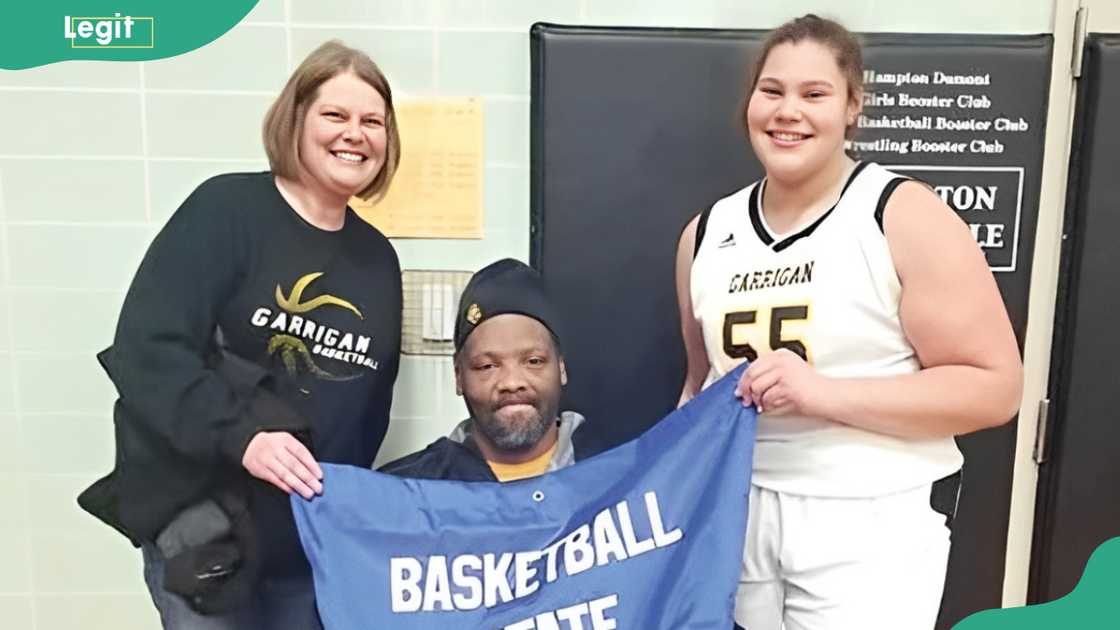
In choosing gratitude over flash, Crooks has given fans something rare and lasting, a story that transcends basketball, challenges cultural priorities, and reminds us that success feels most complete when it finally allows us to give back to where it all began.