In an era where sports figures increasingly step beyond the sidelines to voice opinions on global issues, Lane Kiffin has ignited a firestorm that extends far beyond football. Known for his sharp wit and unapologetic personality, the Ole Miss head coach now finds himself at the center of a heated national debate after allegedly making controversial remarks about U.S. military policy—and directly referencing Donald Trump.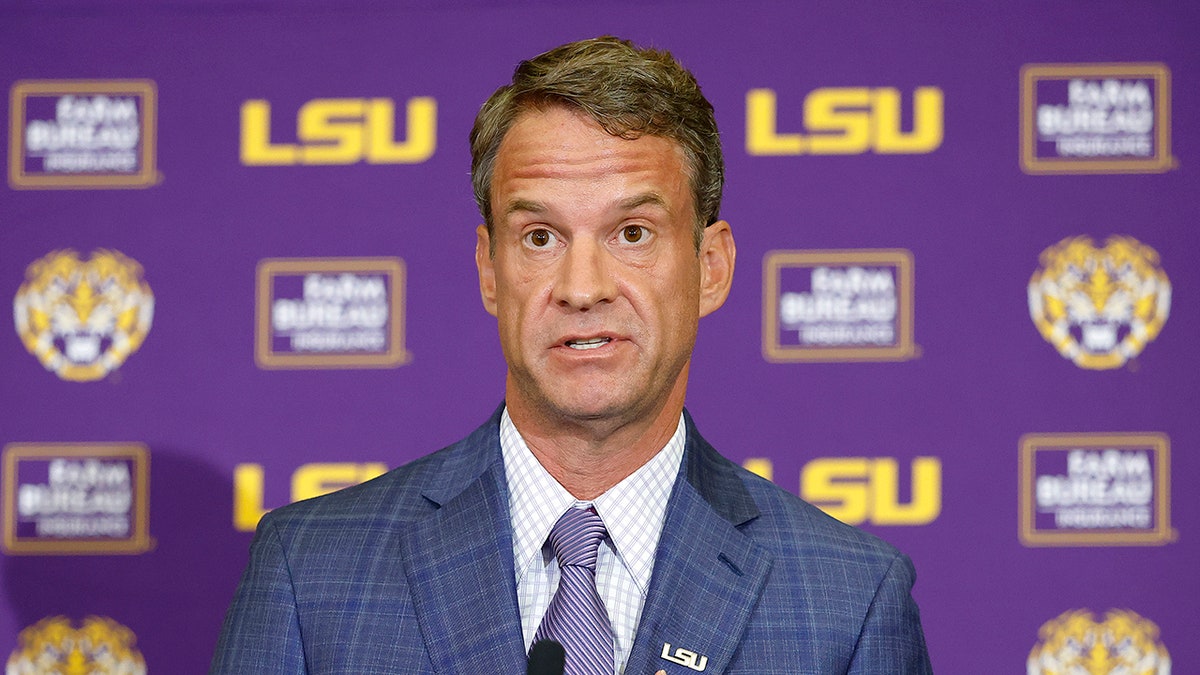
What began as a set of comments reportedly addressing American involvement in overseas conflicts—particularly in the Middle East—has rapidly escalated into a cultural and political flashpoint. Supporters hail Kiffin as courageous for speaking uncomfortable truths. Critics, however, argue he has crossed a line by politicizing sensitive issues and targeting public figures unfairly.
A Bold Statement That Shook Social Media
According to circulating reports, Kiffin questioned the long-standing practice of deploying American troops abroad, suggesting that many modern conflicts have lost their original purpose or moral clarity. His remarks allegedly included a deeply emotional critique:
“Why are the sons and daughters of everyday Americans sent to fight wars that no longer feel meaningful?”
This statement struck a nerve. For many, it echoes a broader sentiment that has been quietly growing among parts of the American public—fatigue with prolonged military engagements and skepticism toward their strategic value.
But Kiffin didn’t stop there.
Bringing Leadership Into Question
The controversy intensified when Kiffin reportedly drew a contrast between political leaders and the families affected by war. In particular, he referenced Donald Trump, noting that none of Trump’s sons have served in the military. The implication, critics say, was clear: decision-makers may be disconnected from the consequences of the policies they endorse.
This line of argument is not new in American political discourse—but coming from a high-profile college football coach, it landed differently. The sports world, traditionally seen as a space separate from political conflict, has increasingly become a platform for broader societal conversations.
Kiffin’s remarks reignited a long-standing ethical question:
Should those who send troops into battle have personal or familial stakes in military service?
A Stark Contrast with Joe Biden**
In further comments, Kiffin reportedly contrasted Trump with current President Joe Biden, highlighting Biden’s personal loss. His son, Beau Biden, served in Iraq before passing away from brain cancer in 2015.
Kiffin suggested that such personal experience may give Biden a “deeper understanding of the true cost of war.”
This comparison added another layer of intensity to the discussion. While some viewed it as a fair and humanizing observation, others criticized it as an inappropriate juxtaposition that risked politicizing personal tragedy.
Public Reaction: Divided and Explosive
Unsurprisingly, the internet responded immediately—and passionately.
Supporters of Kiffin argue:
- He is using his platform responsibly to speak on real human costs.
- His comments reflect concerns shared by many American families.
- Athletes and coaches should not be silenced on important issues.
Critics counter:
- Kiffin overstepped by entering deeply political territory.
- His remarks unfairly targeted individuals rather than policies.
- Sports figures should remain focused on their professional roles.
The debate quickly spread across platforms like X (formerly Twitter), Facebook, and sports forums, with hashtags related to Kiffin trending within hours.
The Growing Intersection of Sports and Politics
Kiffin’s situation is part of a broader trend: the increasing overlap between sports and sociopolitical discourse.
In recent years, athletes and coaches have spoken out on issues ranging from racial justice to international conflict. Figures across leagues—from the NFL to college athletics—have used their visibility to influence public conversation.
Yet this shift has not come without friction.
For decades, fans turned to sports as an escape—a space free from political tension. Now, that boundary is rapidly dissolving. Kiffin’s comments exemplify the risks and rewards of this new reality.
The Risk of Speaking Out
For someone in Kiffin’s position, the stakes are significant.
College football is not just a sport—it’s a multi-billion-dollar industry with passionate fanbases, influential donors, and institutional expectations. Any public statement, especially one with political implications, carries potential consequences:
- Recruiting impact: Players and families may react differently based on personal beliefs.
- University pressure: Schools often seek to avoid controversy that could affect reputation.
- Public perception: A coach’s brand can shift overnight in the digital age.
Despite this, Kiffin has built a reputation as someone unafraid to speak his mind—a trait that now places him squarely in the national spotlight.
A Deeper Question Beneath the Headlines
Beyond the immediate controversy lies a more profound issue: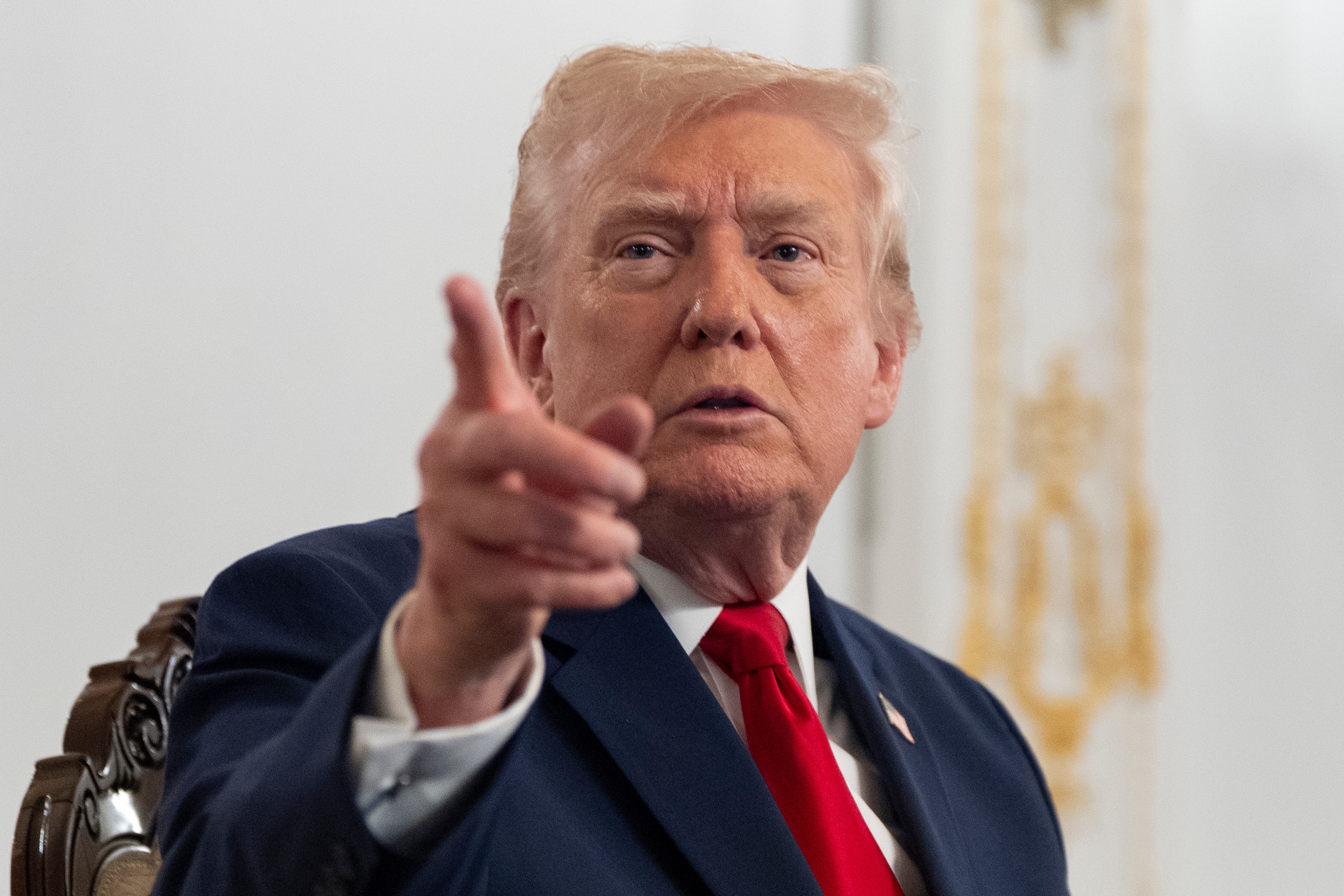
Who gets to speak about war—and whose voices matter most?
Kiffin’s remarks, whether one agrees with them or not, tap into a longstanding tension in democratic societies: the gap between policymakers and the citizens affected by their decisions.
Military families, veterans, and everyday citizens often carry the burden of these choices. When a public figure amplifies that perspective, it can resonate deeply—but also provoke strong opposition.
What Happens Next?
As of now, there has been no formal confirmation or detailed clarification from Kiffin himself regarding the full context of his remarks. Whether he chooses to address the controversy directly could shape how this story evolves.
Will he double down on his stance?
Will he walk back certain comments?
Or will he let the debate unfold on its own?
One thing is certain: the conversation he sparked is far from over.
Final Thoughts
The reaction to Lane Kiffin’s alleged comments reveals more than just a moment of controversy—it exposes a deeply divided landscape where sports, politics, and personal values collide.
In speaking out, Kiffin has forced a conversation that many find uncomfortable but undeniably important. Whether viewed as courageous or reckless, his words have achieved one undeniable outcome:
People are paying attention.
And in today’s hyper-connected world, that alone can change everything.