For more than a decade, she was a steady presence along the New England Patriots’ sidelines — not chasing attention, not seeking the spotlight, but faithfully telling the team’s story to millions of fans. Her voice became part of the rhythm of Sundays in Foxborough, trusted by viewers and respected inside the organization. Then, at just 39 years old, her life ended in a heartbreaking domestic violence tragedy that stunned the sports world and left a young child without a mother.

The news spread quickly, and the reaction was immediate. Patriots players past and present shared memories of her kindness, her professionalism, and the quiet way she made everyone feel seen. Coaches across the league paused their usual routines to acknowledge the loss. Even rival fan bases, including those far removed from New England, expressed grief and solidarity. This was no longer about football. It was about a life cut short and a family forever changed.
Those closest to her described her as meticulous with her work and deeply compassionate off camera. She knew players’ families by name, remembered small details others overlooked, and approached every assignment with humility. To many in the Patriots building, she wasn’t just a reporter — she was part of the team’s extended family.
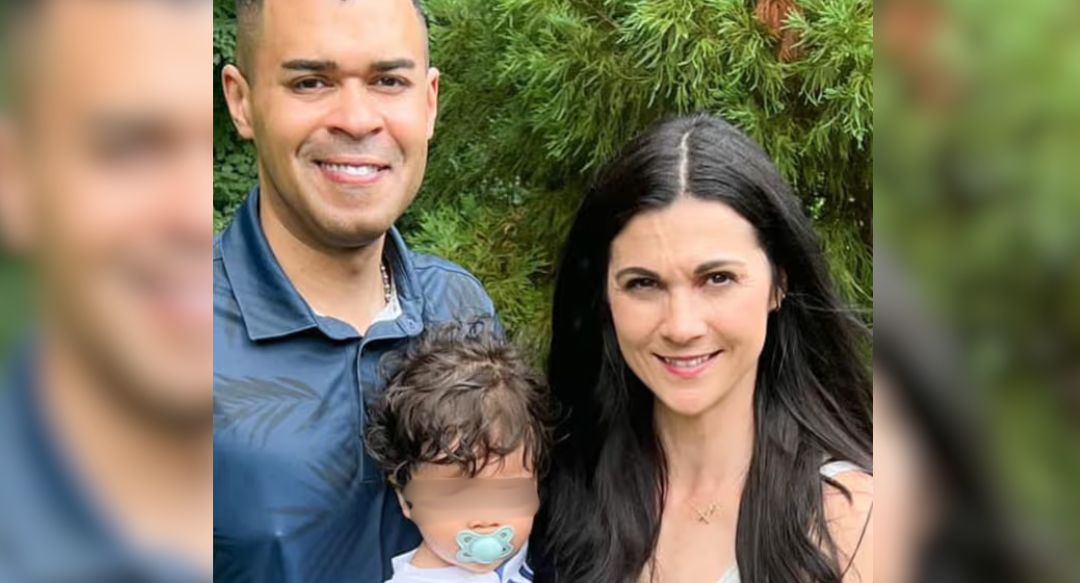
As arrangements were made for her funeral, the atmosphere surrounding the service reflected that sentiment. There were no cameras, no press statements, and no prepared speeches meant for public consumption. What unfolded instead was a private moment of collective mourning. People from different teams, different cities, and different walks of life gathered with one purpose: to honor a woman whose impact went far beyond the sideline.
Then came the moment that would quietly ripple through the league.
Without announcement or attention, the Patriots’ head coach arrived. He didn’t address the media. He didn’t make a statement. According to those present, he simply took a seat among the family and remained there, offering his presence rather than words. Later, it became clear that his support extended far beyond that moment — a gesture aimed not at headlines, but at helping the children left behind navigate a future no one should have to face so young.

Those who witnessed it said the simplicity of the act was what made it so powerful. In an industry defined by noise, rankings, and constant scrutiny, the silence spoke louder than any tribute video or press release ever could.
The tragedy has also reopened difficult conversations across the sports world about domestic violence, support systems, and the unseen struggles that exist beyond the field and the broadcast booth. Advocates have emphasized the importance of awareness, resources, and compassion — not just in moments of crisis, but every day.
As the NFL returns to its routines, the loss remains. A familiar face is gone. A child’s life has been forever altered. And a league known for its intensity was reminded, if only briefly, of something far more important than the game: humanity.
In the end, that is what many will remember most — not the statistics or the standings, but a quiet act of care that honored a life, respected a family’s grief, and reminded everyone watching what truly matters.